
Introduction
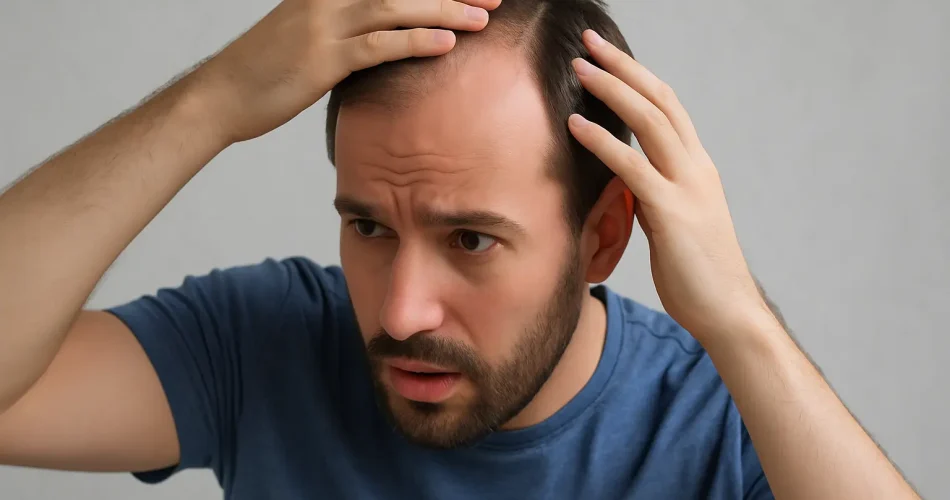
Finding a few strands of hair on your pillow, in the shower drain, or on your hairbrush is completely normal. On average, people shed 50 to 100 hairs a day as part of a natural growth cycle. But when you start noticing noticeably more hair than usual — thinning at the crown, a widening parting, or clumps of hair coming out when you run your fingers through it — it’s natural to feel worried.
The good news is that excessive hair fall almost always has an identifiable cause, and most causes are manageable once diagnosed correctly. This guide walks through the eight most common reasons behind sudden or ongoing hair fall, so you can understand what might be happening and know when it’s time to see a specialist.
How Much Hair Loss Is Actually Normal?
Before jumping to conclusions, it helps to know your baseline. Hair grows in three phases: a growth phase (anagen), a transition phase (catagen), and a resting phase (telogen) before the strand sheds and a new one begins growing in its place. At any given time, roughly 85 to 90% of your hair is in the growth phase, while the rest is resting or shedding.
Shedding becomes a concern when it noticeably exceeds this pattern for more than a few weeks, or when it’s accompanied by visible thinning, bald patches, or a receding hairline.
8 Common Causes of Excessive Hair Fall
1. Telogen Effluvium (Stress-Related Shedding)
This is one of the most common causes of sudden, diffuse hair fall. Telogen effluvium happens when a physical or emotional shock pushes a larger-than-usual number of hair follicles into the resting phase all at once. Roughly two to three months later, all of that hair sheds together, causing what feels like sudden, heavy hair fall.
Common triggers include:
- High fever or severe illness
- Major surgery or physical trauma
- Significant weight loss or crash dieting
- Emotional stress, grief, or anxiety
- Childbirth (a very common and temporary trigger for new mothers)
According to a detailed review published in the National Library of Medicine, telogen effluvium is typically temporary and resolves within six to nine months once the underlying trigger is addressed (source).
2. Nutritional Deficiencies
Hair follicles are metabolically active and highly sensitive to what’s missing from your diet. Deficiencies in iron, protein, zinc, and certain B vitamins are strongly linked to hair thinning.
Iron deficiency in particular is a major contributor — research shows it accounts for a significant share of hair fall cases in women, especially those with heavy menstrual cycles or restrictive diets. Crash dieting or very low-protein diets can also trigger shedding within a few months.
3. Thyroid Imbalances
Both an underactive thyroid (hypothyroidism) and an overactive thyroid (hyperthyroidism) can cause diffuse hair thinning. The thyroid regulates metabolism, and hair follicles are particularly sensitive to these hormonal shifts. Hair fall linked to thyroid issues is usually accompanied by other symptoms like fatigue, weight changes, or changes in skin texture — which is why a proper diagnosis matters rather than treating hair fall in isolation.
4. Hormonal Changes
Beyond the thyroid, hormonal shifts from pregnancy, childbirth, stopping birth control pills, or polycystic ovary syndrome (PCOS) can all trigger noticeable hair fall. Postpartum hair loss, for example, is extremely common and typically peaks around three to four months after delivery before gradually normalising.
5. Androgenetic Alopecia (Genetic Hair Thinning)
Unlike the temporary causes above, androgenetic alopecia — commonly called male or female pattern hair loss — is a progressive, genetically driven condition. In men, it typically shows up as a receding hairline and thinning crown. In women, it usually presents as an overall widening of the centre parting rather than a receding hairline.
This type of hair loss doesn’t reverse on its own and tends to worsen gradually without treatment, which is why early intervention makes a meaningful difference.
6. Scalp Conditions and Infections
Dandruff, seborrheic dermatitis, fungal scalp infections, and psoriasis can all inflame the scalp and disrupt healthy hair growth. Persistent itching, flaking, redness, or tenderness alongside hair fall usually points to an underlying scalp condition rather than a purely internal cause.
7. Excessive Styling and Chemical Damage
Frequent heat styling, tight hairstyles like ponytails and braids, harsh chemical treatments, and over-brushing can cause a type of hair loss called traction alopecia, along with general breakage that looks like hair fall even when the follicle itself is healthy. This type of damage is largely preventable with gentler hair care habits.
8. Medications and Underlying Health Conditions
Certain medications — including some blood thinners, antidepressants, blood pressure medications, and retinoids — list hair thinning as a known side effect. Chronic conditions such as autoimmune disorders, diabetes, and lupus can also affect hair growth. If your hair fall started shortly after beginning a new medication or coincides with a health diagnosis, it’s worth discussing with both your physician and a trichologist.
When Should You See a Specialist?
Occasional shedding usually isn’t a cause for alarm, but you should consult a trichologist if you notice:
- Hair fall that continues for more than 8 to 12 weeks without improvement
- Visible thinning, widening parting, or bald patches
- Clumps of hair coming out during washing or brushing
- Scalp itching, redness, or flaking alongside the hair fall
- Hair fall accompanied by fatigue, weight changes, or irregular periods
A proper scalp analysis can identify the exact cause rather than relying on guesswork, which matters because the right treatment for stress-related shedding is very different from the right treatment for genetic thinning or a scalp infection.

How The Gleam Clinic Approaches Hair Fall
At The Gleam Clinic, hair fall is treated as a diagnostic process, not a one-size-fits-all fix. Dr. Sameeksha Cholepatil, our cosmetologist and trichologist with over 6 years of experience, begins with a detailed scalp and hair analysis to identify the underlying cause before recommending a treatment plan — whether that involves nutritional guidance, scalp treatments, or advanced hair restoration options.
If you’ve also been noticing skin changes alongside hair concerns, our skin and hair treatment services cover both under one roof, so related issues like scalp acne or hormonal skin changes can be addressed together.
Frequently Asked Questions (FAQs)
Q1: How many hair strands falling per day is considered normal?
Losing 50 to 100 hairs a day is considered normal and is part of the natural hair growth cycle. It becomes a concern when shedding is noticeably higher than this for several consecutive weeks.
Q2: Can stress really cause hair fall?
Yes. Significant physical or emotional stress can push hair follicles into a resting phase, causing a condition called telogen effluvium. This type of hair fall typically appears two to three months after the stressful event and is usually temporary.
Q3: Is hair fall after pregnancy normal?
Yes, postpartum hair fall is very common and is caused by hormonal shifts after childbirth. It usually peaks around three to four months postpartum and resolves on its own within six to twelve months.
Q4: Can hair fall be reversed?
It depends on the cause. Hair fall from stress, nutritional deficiency, or temporary hormonal changes is often reversible once the underlying cause is treated. Genetic hair thinning (androgenetic alopecia) can be slowed and managed with early treatment but is more difficult to fully reverse.
Q5: Which vitamin deficiency causes the most hair fall?
Iron deficiency is one of the most common nutritional causes of hair fall, particularly in women. Deficiencies in protein, zinc, and vitamin D are also frequently linked to increased shedding.
Q6: How long does it take to see results from hair fall treatment?
Because hair grows in cycles, most treatments take a minimum of three to six months of consistent use before visible improvement, since it takes time for follicles to cycle from the resting phase back into active growth.
Q7: Should I see a dermatologist or a trichologist for hair fall?
A trichologist specialises specifically in hair and scalp health and is often the right first step for diagnosing hair fall. If the underlying cause turns out to be a broader skin or medical condition, your specialist may recommend a dermatologist or physician alongside trichology care.
Q8: Does oiling your hair prevent hair fall?
Oiling can improve scalp circulation and reduce breakage from dryness, but it does not address internal causes like hormonal imbalance, nutritional deficiency, or genetic thinning. It works best as a supportive habit alongside proper diagnosis and treatment, not as a standalone fix.
Conclusion
Hair fall can feel alarming, but in most cases it’s your body signalling something specific — whether that’s stress, a nutritional gap, a hormonal shift, or a scalp condition. Identifying the actual cause is the only reliable way to choose a treatment that works, rather than trying product after product without results.
If your hair fall has lasted more than a few weeks or is accompanied by visible thinning, book a scalp consultation with a trusted hair clinic near Beed Bypass, Chhatrapati Sambhajinagar.
Getting an accurate diagnosis early gives you the best chance of a full recovery.
Related Reading: Is a Root Canal Really Painful? What You Need to Know | Explore All Skin & Hair Treatments | Meet Dr. Sameeksha Cholepatil